The Symbolism of Offerings in Buddhist Funeral Services in Singapore
In Singapore, Buddhist funeral traditions are an important way for families to say goodbye to their loved ones. While the rituals may look simple on the outside, every offering placed at a Buddhist funeral carries deep meaning. These offerings are not just traditions passed down over time, they are meaningful actions that reflect Buddhist teachings about life, death, and compassion.
This article explains the symbolism behind common offerings in Buddhist funerals in Singapore, using simple language to help you understand why these practices matter and what they represent.
Why Offerings Are Important in Buddhist Funerals?
In Buddhism, death is not seen as an ending, but as a transition. Funeral offerings are made to express respect, gratitude, and care for the deceased. More importantly, they help the living reflect on important Buddhist values such as:
Impermanence (everything changes)
Kindness and compassion
Letting go of attachment
Creating good karma through wholesome actions
Offerings are not meant to provide material items to the deceased. Instead, they are symbolic acts that help calm the mind and create positive intentions.
1. Incense
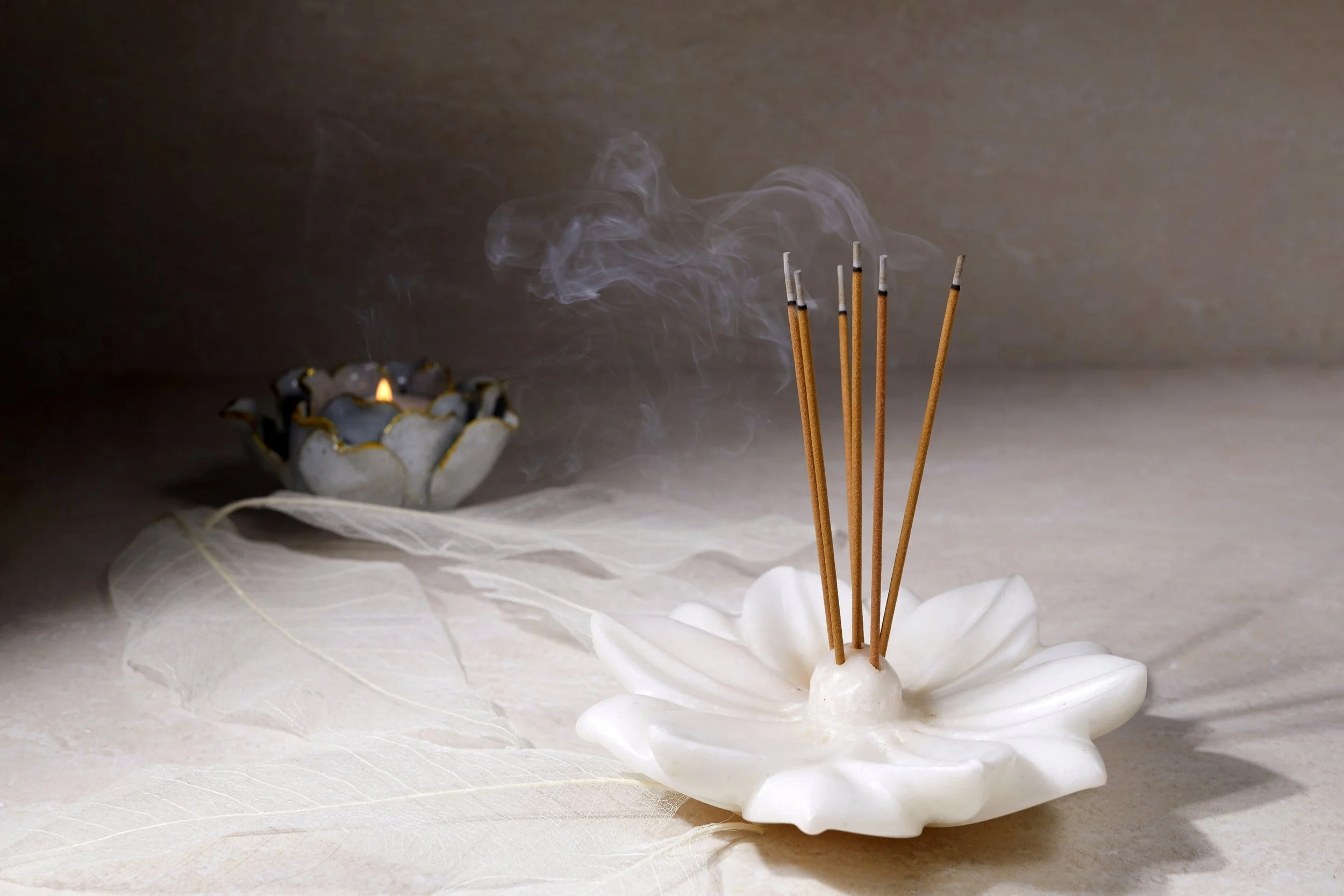
Incense is one of the most common offerings at Buddhist and Taoist funerals in Singapore. When incense burns, it releases a gentle fragrance into the air.
What Incense Symbolises?
Purification: Cleansing the surroundings and the mind
Mindfulness: Encouraging people to be calm and present
Impermanence: Just as incense slowly burns away, life also passes with time
In simple terms, incense reminds us that life is temporary and precious. Lighting incense is a quiet moment to reflect and send kind thoughts to the deceased.
2. Candles and Oil Lamps
Candles or oil lamps are often placed on the altar during a Buddhist funeral.
Their Meaning?
Light represents wisdom and understanding
It symbolises guidance for the deceased on their next journey
It reminds the living to stay clear-minded and calm
The flame also shows how life can be gentle and fragile, yet meaningful.
3. Flowers
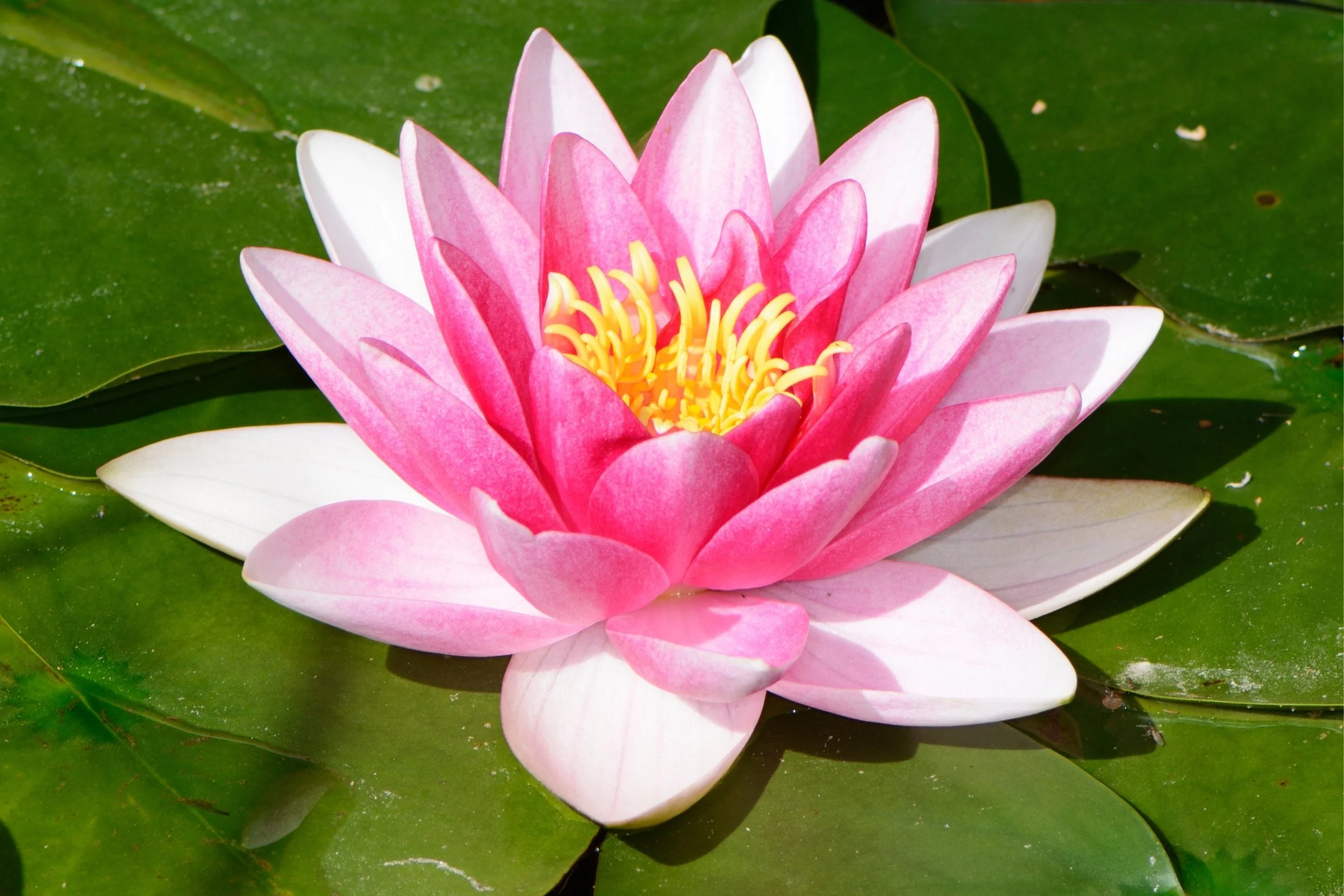
Flowers are commonly offered because they are beautiful but short-lived.
What Flowers Represent?
Impermanence: Flowers wilt and fade, just like life
Respect and gratitude: A way to honour the deceased
Spiritual growth: Lotus flowers symbolise purity and rising above suffering
In Singapore, flowers also help create a peaceful environment, making it easier for people to reflect quietly.
4. Food and Fruits
Food and fruits are offered as symbols of generosity.
Their Symbolism?
Giving food represents kindness and sharing
Fruits symbolise the results of one’s actions, also known as karma
These offerings create merit, which is often dedicated to the deceased
The food is not meant to be eaten by the deceased. Instead, it represents the intention of doing good and helping others.
5. Water

A bowl of clean water is a simple but meaningful offering.
What Water Symbolises?
Purity and a clear mind
Calmness and peace
Reflection, like still water reflecting clearly
Water reminds everyone present to remain peaceful and composed, especially during emotional moments.
6. White Clothing
In many Buddhist funerals in Singapore, family members and guests wear white.
Why White Is Used?
White symbolises simplicity and purity
It reflects letting go of worldly attachments
It shows respect for the deceased
Wearing white also encourages a calm and respectful atmosphere rather than one focused on outward appearance.
7. Paper Offerings
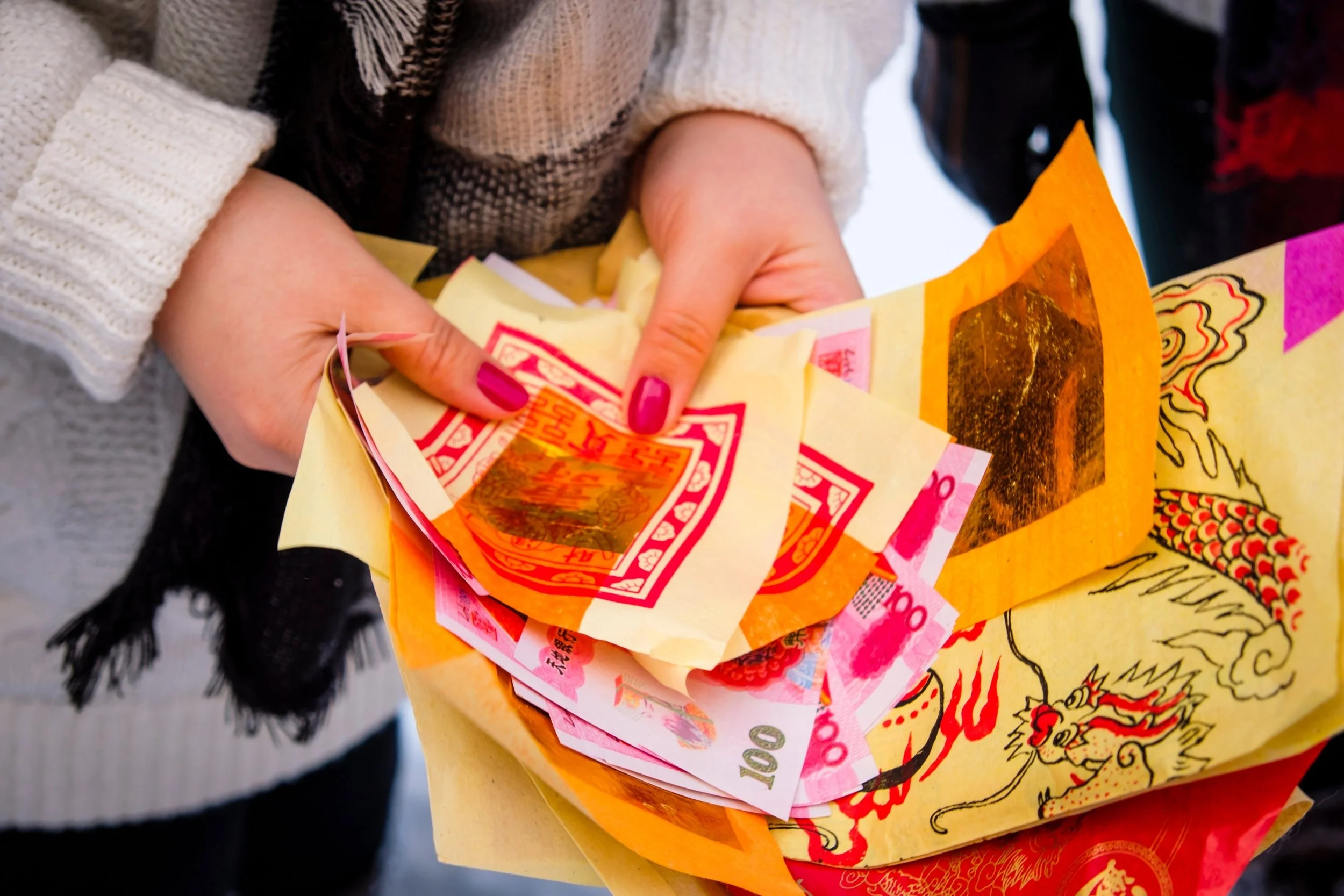
Paper offerings are sometimes used in Buddhist funerals, especially those influenced by Chinese culture.
How to Understand Paper Offerings?
They are symbolic, not literal gifts for the afterlife
They represent remembrance and respect
The value lies in the intention, not the item itself
Many modern Buddhist teachers encourage focusing more on prayers, good deeds, and kindness rather than material offerings.
8. Chanting and Prayers
Chanting Buddhist sutras is an important part of funeral ceremonies.
Why Chanting Is Important?
It calms the mind of the living
It creates a peaceful environment
Merit from chanting is dedicated to the deceased
Even when people cannot attend in person, chanting together, whether physically or online, helps maintain a sense of connection and compassion.
The Deeper Meaning of Offerings
When we look at all these offerings together, one message becomes clear:
Buddhist funeral offerings are not only for the deceased, they are also for the living.
Each offering reminds us to:
Appreciate life
Be kind and generous
Accept change
Live mindfully
In a busy and modern society like Singapore, these simple reminders are especially meaningful.
Conclusion
The offerings made at Buddhist funerals in Singapore are quiet yet powerful symbols. They teach us that life is temporary, kindness matters, and peace comes from understanding and acceptance.
Through incense, light, flowers, water, and prayers, families honour their loved ones while also reflecting on how to live better lives. In this way, Buddhist funeral offerings are not just rituals, they are lessons in compassion, mindfulness, and letting go.
How Funeral Home Team Can Support a Buddhist Funeral in Singapore?
Planning a Buddhist funeral can feel overwhelming, especially during a time of grief. Funeral Home Team is experienced in Buddhist funeral services in Singapore and can help guide families through each step with care and sensitivity.
From arranging monks and chanting sessions to preparing proper offerings and ensuring rituals are carried out respectfully, the team helps families honour their loved ones according to Buddhist traditions while allowing them the space to focus on remembrance and healing.
Contact us today!