
Why Chant During Buddhist Funeral Services in Singapore: Significance & Types of Chants
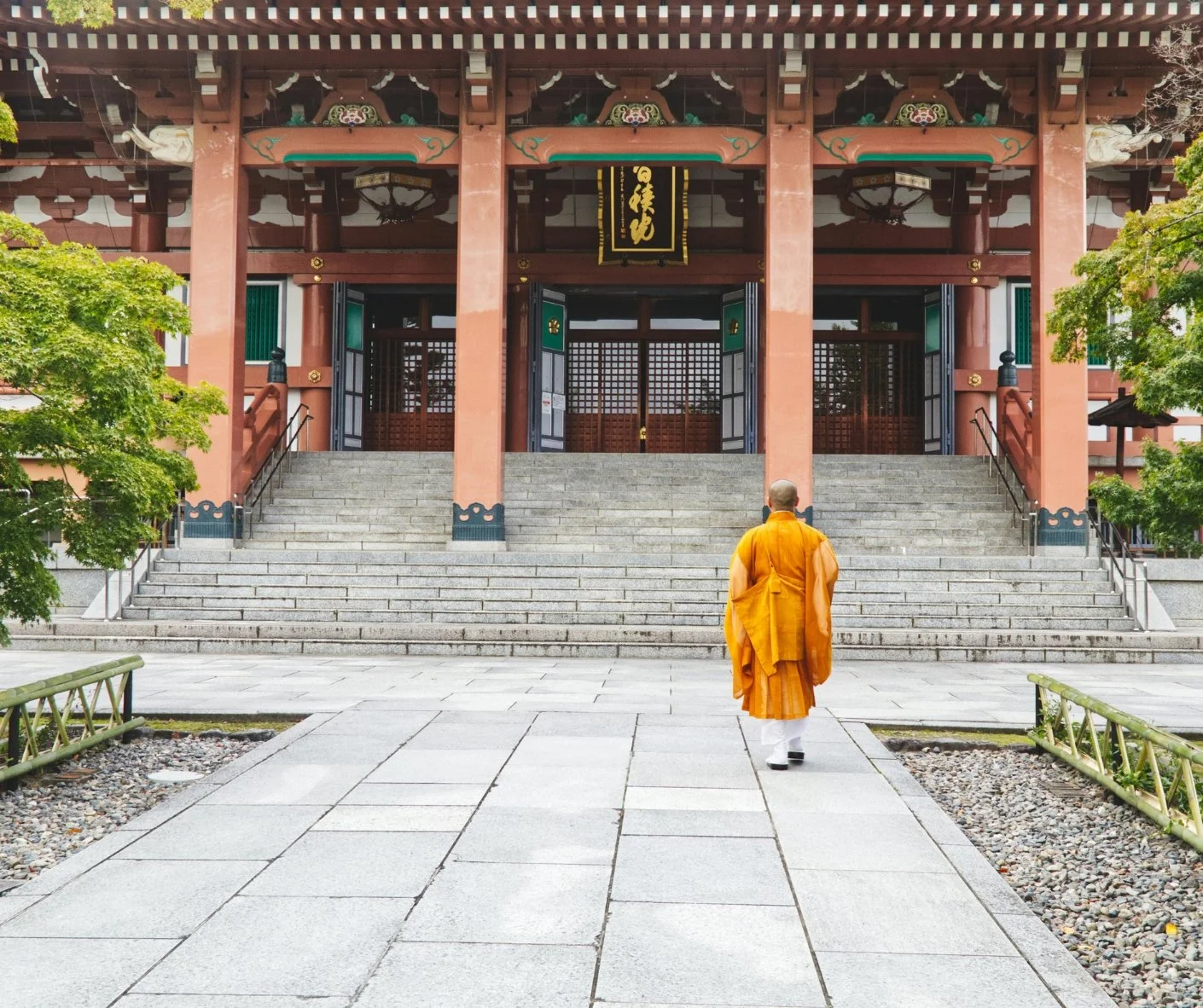
As Buddhist traditions continue to be part of local culture in Singapore, many people want to understand what the chants represent, why they are performed, and how they support both the departed and the living during this sensitive time. This growing interest has encouraged more families to learn about the purpose and significance of chanting in modern Buddhist funerals.
What Is Buddhist Funeral Chanting In Singapore?
Buddhist funeral chanting is the practice of reciting sacred Buddhist texts, mantras, and the names of Buddhas or Bodhisattvas during a wake or funeral service in Singapore. These chants are usually led by monks, but family members may join in as a way of showing respect and offering spiritual support to the deceased.
Why Chant During Buddhist Funerals In Singapore?
Chanting during a Buddhist funeral carries deep spiritual meaning and serves several important purposes for both the deceased and the living.
1. To Guide the Deceased Toward a Peaceful Rebirth
In Buddhism, it is believed that the moments after death are crucial for the consciousness of the departed. Chanting helps calm and support the deceased, guiding them towards a peaceful transition and a favourable rebirth. The vibrations and focus created by the chant are seen as a form of spiritual assistance.
2. To Generate Merit for the Departed
Merit-making is a key principle in Buddhism. When monks or family members chant, they accumulate positive merit, which can then be dedicated to the deceased. This dedication is believed to help reduce suffering, clear obstacles, and improve the conditions for their next life.
3. To Bring Peace and Comfort to the Family
Funerals can be emotional and overwhelming. The soothing and repetitive nature of chanting creates a calm, grounding atmosphere for grieving family members. It offers emotional relief, encourages mindfulness, and provides a sense of spiritual support during a difficult time.
4. To Remind the Living of Impermanence
Many Buddhist chants reflect core teachings on impermanence, compassion, and the nature of life and death. Hearing these teachings during a funeral encourages self-reflection and helps family members accept the natural cycle of life. It becomes a moment of learning and spiritual clarity.
5. To Purify and Bless the Funeral Space
Chanting is also believed to cleanse the environment of negative energies and create a sacred space for the funeral rites. The sound vibrations help bring harmony, making the space more peaceful and respectful for both the deceased and the visitors.
The Main Types of Buddhist Funeral Chants In Singapore
Buddhist funerals involve different types of chants, each carrying its own purpose and meaning. The type of chant used often depends on the Buddhist tradition followed by the family, with Mahayana chants being the most common in Singapore. Below are the main chants typically performed during Buddhist funeral rites.
1. Amitabha Sutra (阿弥陀经)
The Amitabha Sutra is one of the most widely used scriptures during Buddhist funerals. It focuses on Amitabha Buddha and the Pure Land, a peaceful realm where souls can be reborn. Chanting this sutra helps guide the deceased toward the Pure Land and encourages a calm, compassionate mindset among the mourners.
2. Heart Sutra (心经)
The Heart Sutra is known for its powerful teachings on emptiness and impermanence. It reminds listeners that life is constantly changing and that attachment causes suffering. This sutra is chanted to bring clarity, peace, and wisdom to both the deceased and the family.
3. Diamond Sutra (金刚经)
The Diamond Sutra is a longer and more profound scripture that focuses on wisdom and the understanding of reality. In funeral settings, chanting the Diamond Sutra is believed to help generate great merit, which can be dedicated to the deceased to support a better rebirth and reduce karmic obstacles.
4. Amitabha Buddha Recitation: “Namo Amituofo” (南无阿弥陀佛)
This is one of the simplest and most common chants heard at Buddhist funerals. Reciting “Namo Amituofo” invokes the compassion of Amitabha Buddha and helps calm the mind of the deceased. It is easy for family members and visitors to join in, making it a meaningful way to participate in the funeral.
5. 7th-Day and 49-Day Chanting Rituals
Beyond the funeral itself, chanting continues in the weeks that follow. Many families observe chanting sessions on the 7th day, and sometimes weekly up to the 49th day. These chants help support the spiritual journey of the departed during the transitional period after death, according to Buddhist belief.
Who Performs The Buddhist Chantings In Singapore?
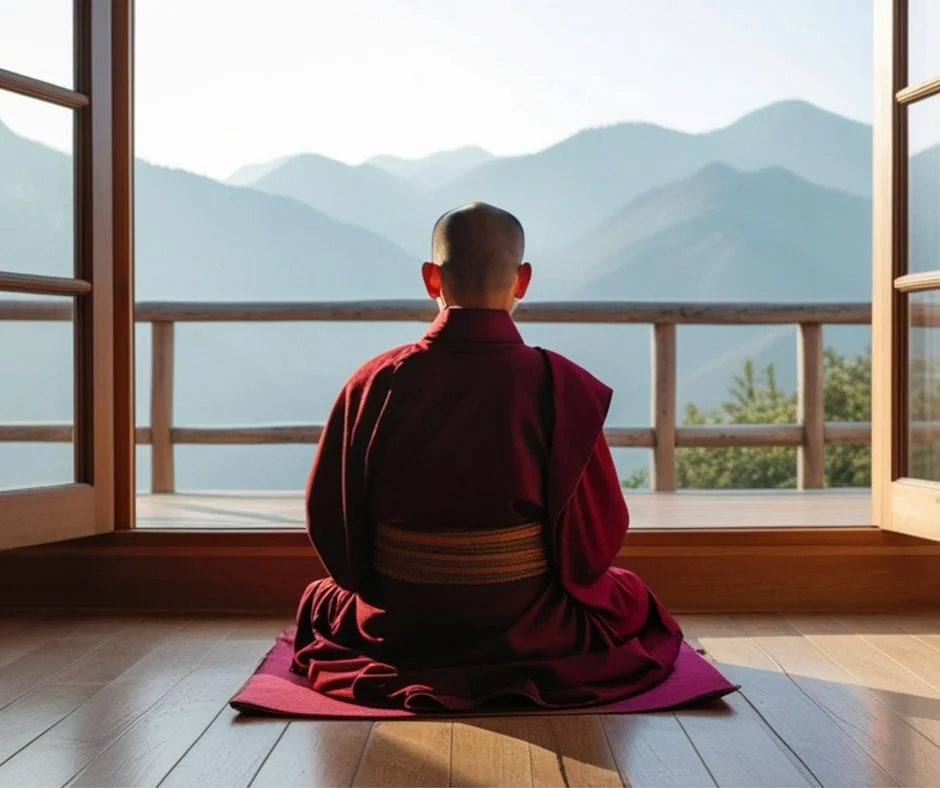
In a Singapore Buddhist funeral, chanting is usually led by trained individuals who understand the meaning and rhythm of the sutras. However, family members also play an important role in certain parts of the ceremony.
1. Roles of Monks
Monks are the main chant leaders during a Buddhist funeral. They guide the chanting sessions, recite the sutras correctly, and ensure that the rites follow Buddhist teachings. Their presence brings spiritual authority and helps create a calm, respectful atmosphere. Monks also assist in merit dedication for the departed, which is an important part of the funeral ritual.
2. How Many Monks Typically Chant in Singapore?
In Singapore, most Buddhist funeral chanting sessions are led by one to three monks, depending on the family’s preference and the scale of the ceremony.
One monk is common for smaller or more intimate wakes.
Two to three monks are often engaged for more extended chanting sessions or for families who wish to conduct multiple sutras.
Some larger temples or funeral rituals may involve a bigger group, but this is less common for standard buddhist funeral services in Singapore.
3. When Family Members Participate
Family members are encouraged to participate in certain chants, especially during simple recitations like “Namo Amituofo.” Joining the chanting is a meaningful way to honour the deceased and show filial piety. It also helps the family stay focused, calm, and connected during the ceremony. Participation is always optional, but many find it comforting and healing.
4. Use of Recorded Chanting When Monks Are Not Available
In some situations, recorded chanting may be played during the wake. This is usually done when monks cannot be present for long hours, or when families prefer continuous chanting throughout the day. While recorded chants do not replace the spiritual guidance of monks, they still help maintain a peaceful environment and support the funeral’s atmosphere.
When Does Chanting Take Place During a Buddhist Funeral In Singapore?
Chanting happens at several important moments throughout a Buddhist funeral in Singapore. Each chanting session serves a specific purpose, whether it is to comfort the family, guide the deceased, or bless the ceremonial activities taking place.
1. At the Start of the Wake
Most Buddhist wakes begin with an opening chanting session led by monks. This sets a peaceful tone, purifies the space, and officially marks the start of the funeral rites.
2. During Daily Chanting Sessions
Monks usually visit once or twice a day to conduct chanting sessions. These sessions help maintain a calm and spiritual environment throughout the wake. Family members may join in, especially during simpler chants like “Namo Amituofo.”
3. Before the Coffin Closing Ceremony
Before the coffin is sealed, monks perform an important chanting ritual to bless the deceased. This chant is believed to support the departed in their spiritual transition and prepare them for the next stage of the funeral process.
4. Before Leaving for the Crematorium
Another round of chanting is typically performed just before the funeral procession hearse heads to the crematorium. This helps guide the departed and gives the family a final moment of spiritual connection before the cremation.
5. At the Viewing Hall of the Crematorium
At places like Mandai Crematorium in Singapore, monks may conduct a short final chant in the viewing hall. This is the final farewell chant, offering blessings and peace as the body is prepared for cremation.
6. During Post-Funeral Rites (7th-Day, 49-Day, and 100-Day)
Chanting does not end after the cremation. Many families continue with:
7th-day chanting
Weekly chanting up to the 49th day
100-day memorial chanting
These sessions support the deceased’s journey in the afterlife and provide emotional comfort to the family.
Buddhist Chanting Etiquette for Family & Visitors In Singapore
Chanting is an important part of a Buddhist funeral, and showing proper etiquette helps maintain a peaceful and respectful environment. Whether you are a family member or a visitor, understanding how to behave during chanting can help you participate meaningfully.
1. When to Stand or Sit
During chanting sessions, monks will usually indicate whether attendees should stand or sit.
Standing is common at the beginning or end of a chant.
Sitting is common during longer sutra recitations.
If you are unsure, simply follow the lead of the family or the monks.
2. Joining in the Chanting
Visitors and family members are welcome, but not required to join in simple chants such as “Namo Amituofo.”
Joining shows respect and support.
If you are unfamiliar with the chant, it is perfectly acceptable to remain silent and listen.
Listening attentively is also a form of participation.
3. Keeping a Calm and Respectful Attitude
Chanting is a sacred moment, so it is important to maintain a peaceful atmosphere.
Avoid talking, whispering, or moving around unnecessarily.
Switch your phone to silent mode.
Keep movements slow and mindful.
4. Dress Modestly and Respectfully
Family members and visitors should dress in simple, muted colours, typically black, white, or dark tones.
Avoid bright colours or flashy accessories, as these may be seen as disrespectful during the chanting.
5. Bowing as a Gesture of Respect
A gentle bow is often done at the start or end of a chanting session.
It shows gratitude to the monks and respect for the ceremony.
If you are unsure when to bow, simply follow the family’s lead.
6. Avoiding Disruptions During Chanting
During the chanting, avoid:
Walking in front of the altar
Standing too close to the monks
Touching ritual items unless instructed
Maintaining the flow of the ritual helps create a supportive environment for everyone.
Conclusion
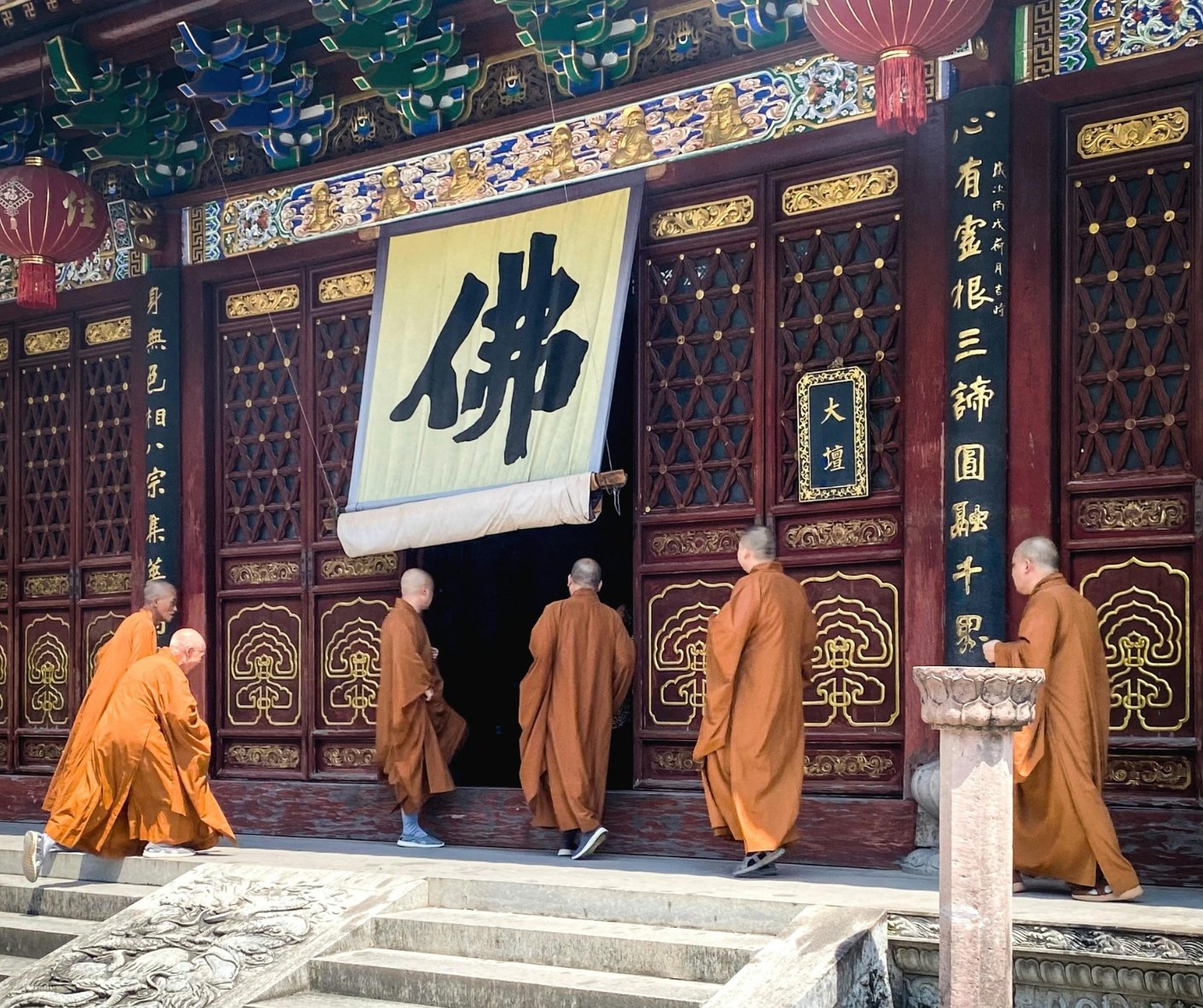
Chanting plays a deeply meaningful role in a Buddhist funeral. It is more than a ritual, it is a compassionate practice that supports the deceased, comforts the living, and creates a peaceful environment for everyone present. Through chanting, families express love, respect, and gratitude, while monks help guide the departed toward a calm and favourable rebirth.
The different types of chants, from the Amitabha Sutra to simple recitations like “Namo Amituofo,” each carry their own purpose and spiritual significance. Whether performed by monks, joined by family members, or played as recordings, chanting brings clarity, calmness, and connection during a difficult time.
As more families in Singapore seek to understand the meaning behind Buddhist funeral practices, chanting continues to remain a central and comforting tradition. By appreciating its purpose and participating respectfully, families and visitors can honour the memory of the departed in a sincere and meaningful way.
If you need more information on buddhist funerals in Singapore, contact us at Funeral Home Team and we will be happy to help.