A Comprehensive Guide to Buddhist Funeral Rites, Rituals, and Customs in Singapore
Buddhist funeral services in Singapore are deeply spiritual ceremonies that honour the deceased while guiding their journey toward rebirth. Rooted in Buddhist teachings and shaped by local cultural practices, these rites provide comfort, structure, and meaning for families during a time of loss.
This article explains Buddhist funeral beliefs, rituals, etiquette, and modern practices in Singapore in a clear and accessible way, whether you are planning a funeral service in Singapore or attending one.
Understanding Death in Buddhism
Death as a Natural Transition
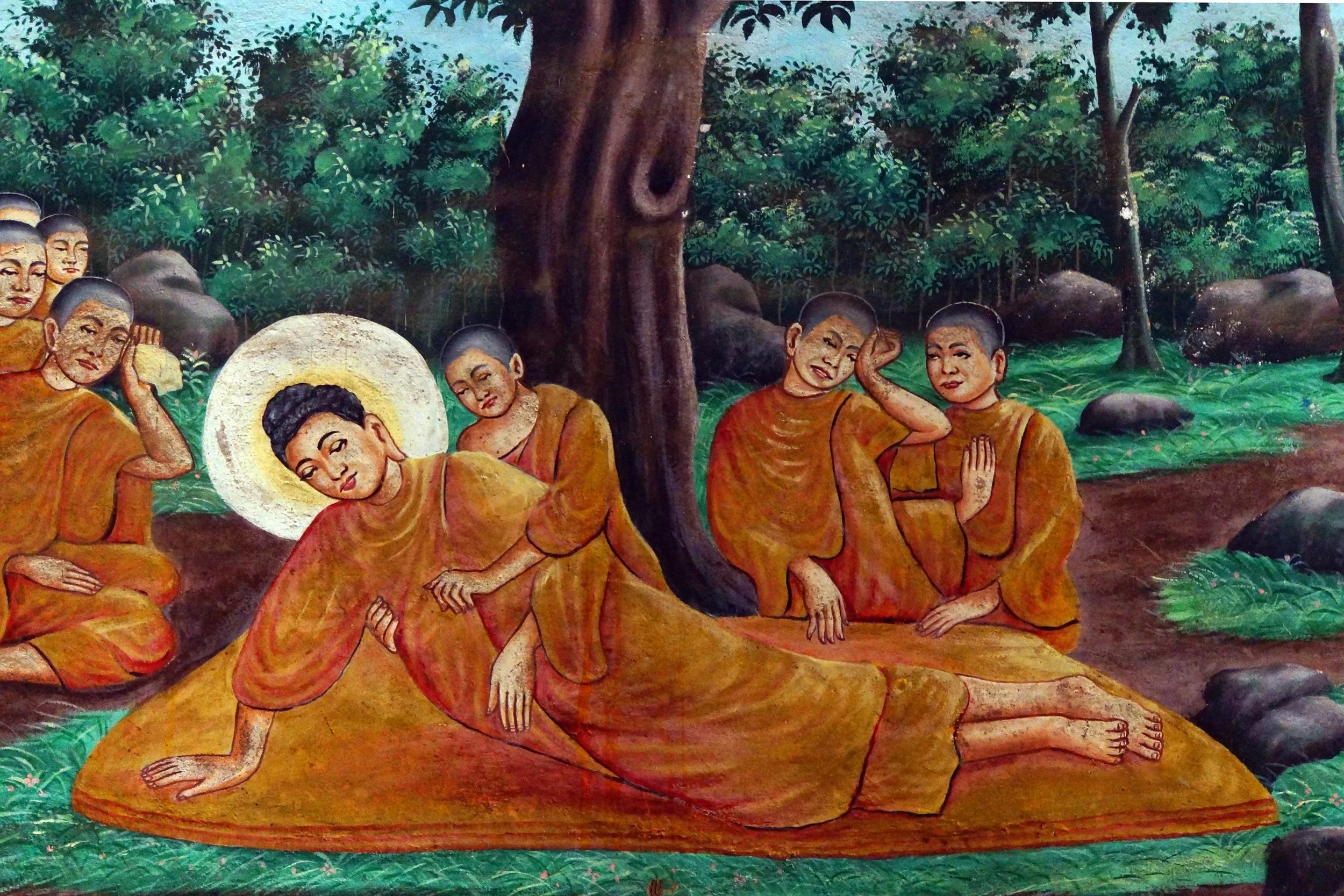
In Buddhism, death is not seen as an end, but as a natural transition in the ongoing cycle of existence known as saṃsāra. Saṃsāra refers to the continuous cycle of birth, death, and rebirth. Life is impermanent, and death marks a passage into another phase of existence rather than a final conclusion.
What happens after death depends largely on karma, the sum of a person’s actions, intentions, and thoughts throughout their life.
Karma, Rebirth, and Nirvana
Karma determines the circumstances of rebirth. Good actions lead to more favourable outcomes, while harmful actions lead to suffering. The ultimate goal for Buddhists is to break free from saṃsāra and attain nirvana, a state of complete liberation from suffering and rebirth.
Because karma plays such a central role, Buddhist funerals focus on merit-making, performing good deeds on behalf of the deceased to support their next rebirth.
Buddhist Views on the Afterlife
The Six Realms of Rebirth
According to Buddhist teachings, beings may be reborn into one of six realms based on their karma:
God Realm (Deva): Pleasure and comfort, but attachment prevents enlightenment
Human Realm (Manusya): The only realm where enlightenment can be attained
Demi-God Realm (Asura): Marked by jealousy and conflict
Animal Realm: Characterised by ignorance and survival instincts
Hungry Ghost Realm (Preta): Endless craving and dissatisfaction
Hell Realm (Naraka): Temporary suffering due to negative karma
Funeral rites aim to help the deceased move toward a better rebirth, ideally in the human realm.
The Purpose of Buddhist Funeral Rites
Buddhist funeral rituals serve several important purposes:
To guide the consciousness of the deceased peacefully onward
To generate and transfer merit
To help the living reflect on impermanence
To provide emotional support and closure for family members
Rather than mourning alone, Buddhist funerals encourage mindfulness, compassion, and acceptance.
Preparation Before the Funeral
Immediately After Death
Many Buddhists believe that consciousness remains near the body for a short time after death. For this reason, the body is usually left undisturbed for 2 to 4 hours. During this period, family members or monks may chant softly to guide the spirit calmly.
Cleansing and Dressing the Body
After this resting period:
The body is gently washed
Dressed in simple or white clothing
Embalming may be performed for practical reasons
Prayer beads or symbolic items may be placed in the hands
Simplicity reflects the Buddhist values of modesty and detachment.
The Buddhist Wake in Singapore
Wake Location and Duration
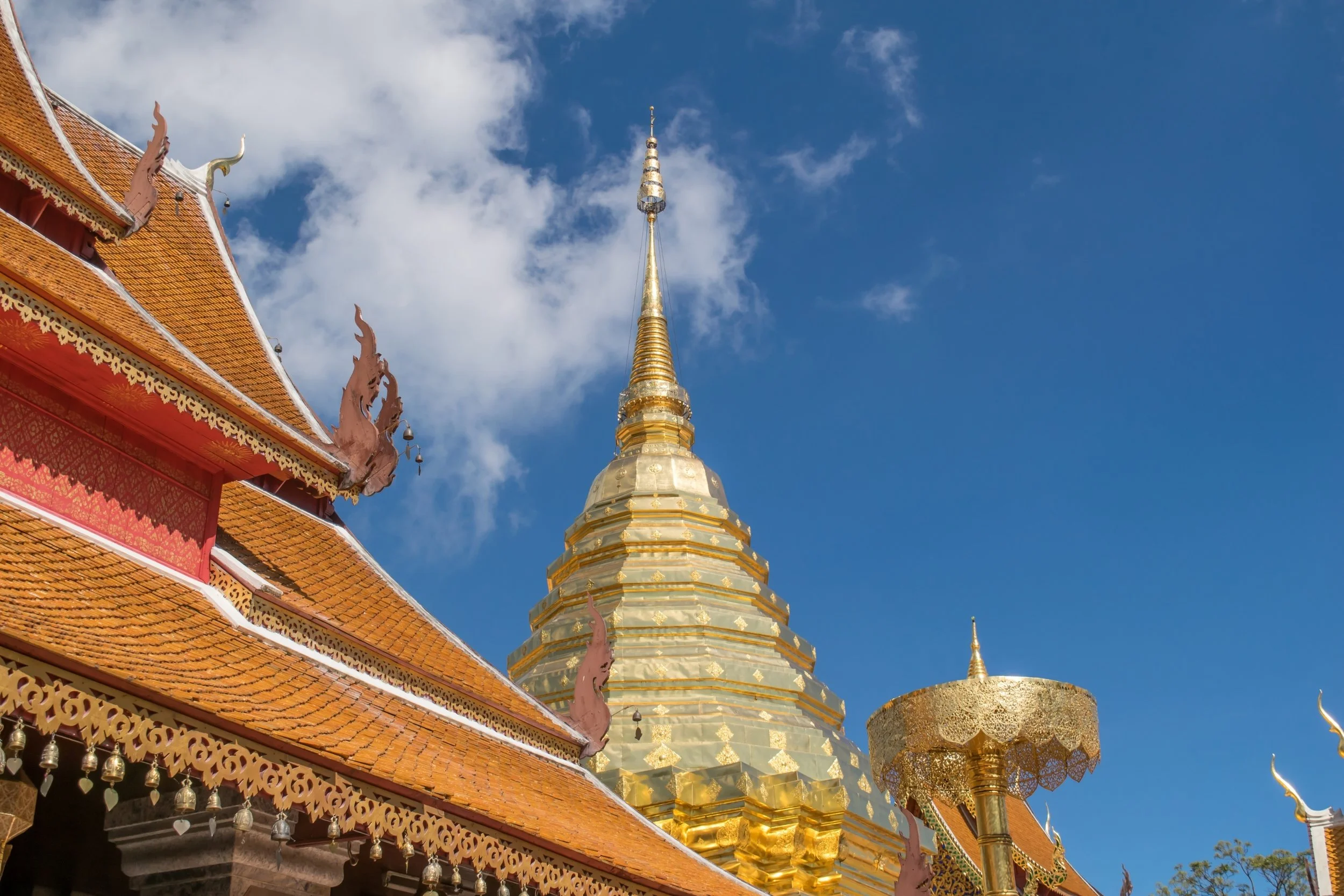
In Singapore, wakes typically last 3 to 7 days and may be held at:
HDB void decks
Funeral parlours
Private homes
An altar is set up with:
A photo of the deceased
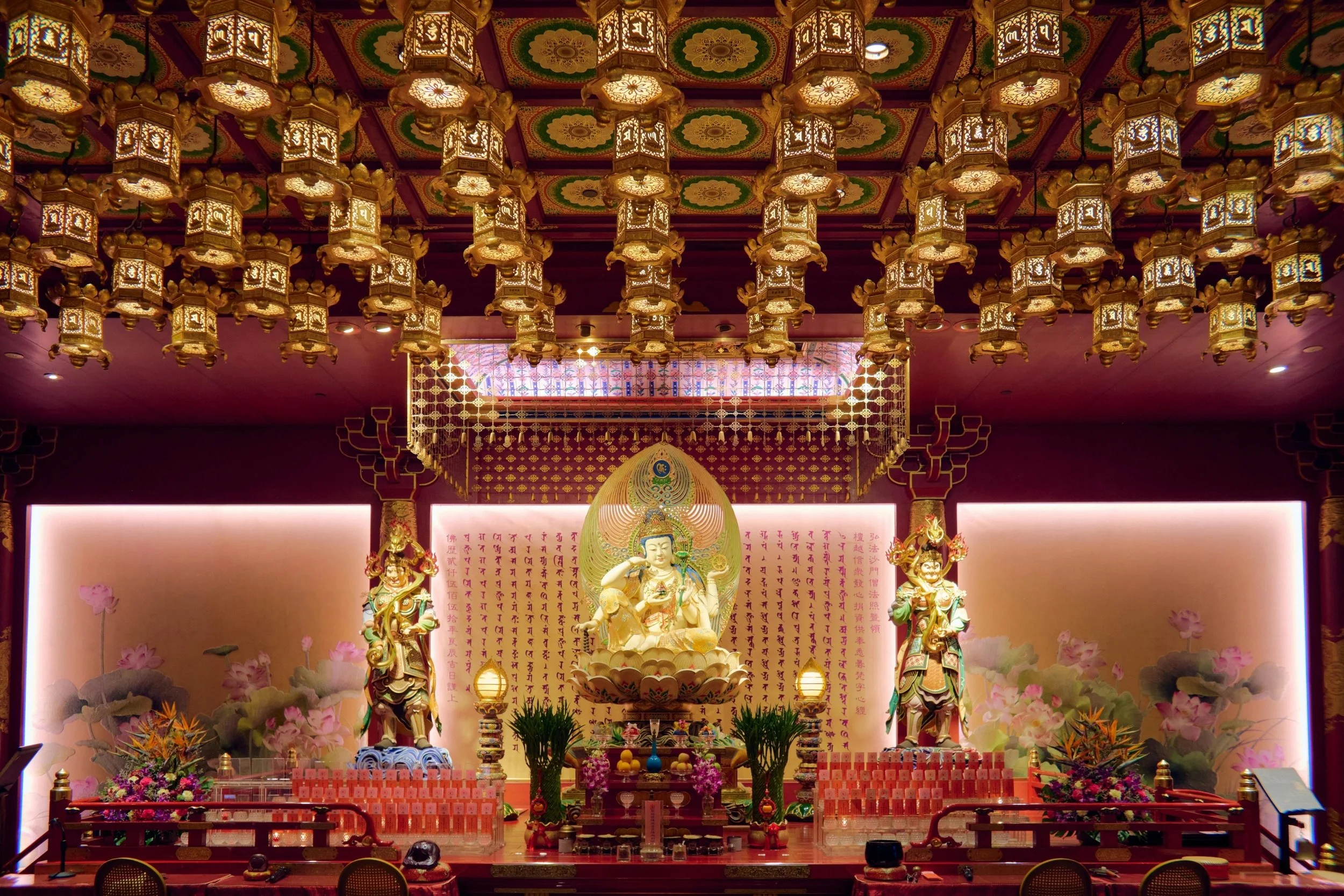
An image of the Buddha
Candles, incense, fruits, and flowers
Chanting and Prayers
Monks often lead daily chanting sessions. These chants calm the mind, generate merit, and guide the deceased’s consciousness. A gong or bell often signals the start of chanting. Family members may also chant or sit in quiet reflection.
Cultural Practices During the Wake
Common practices include:
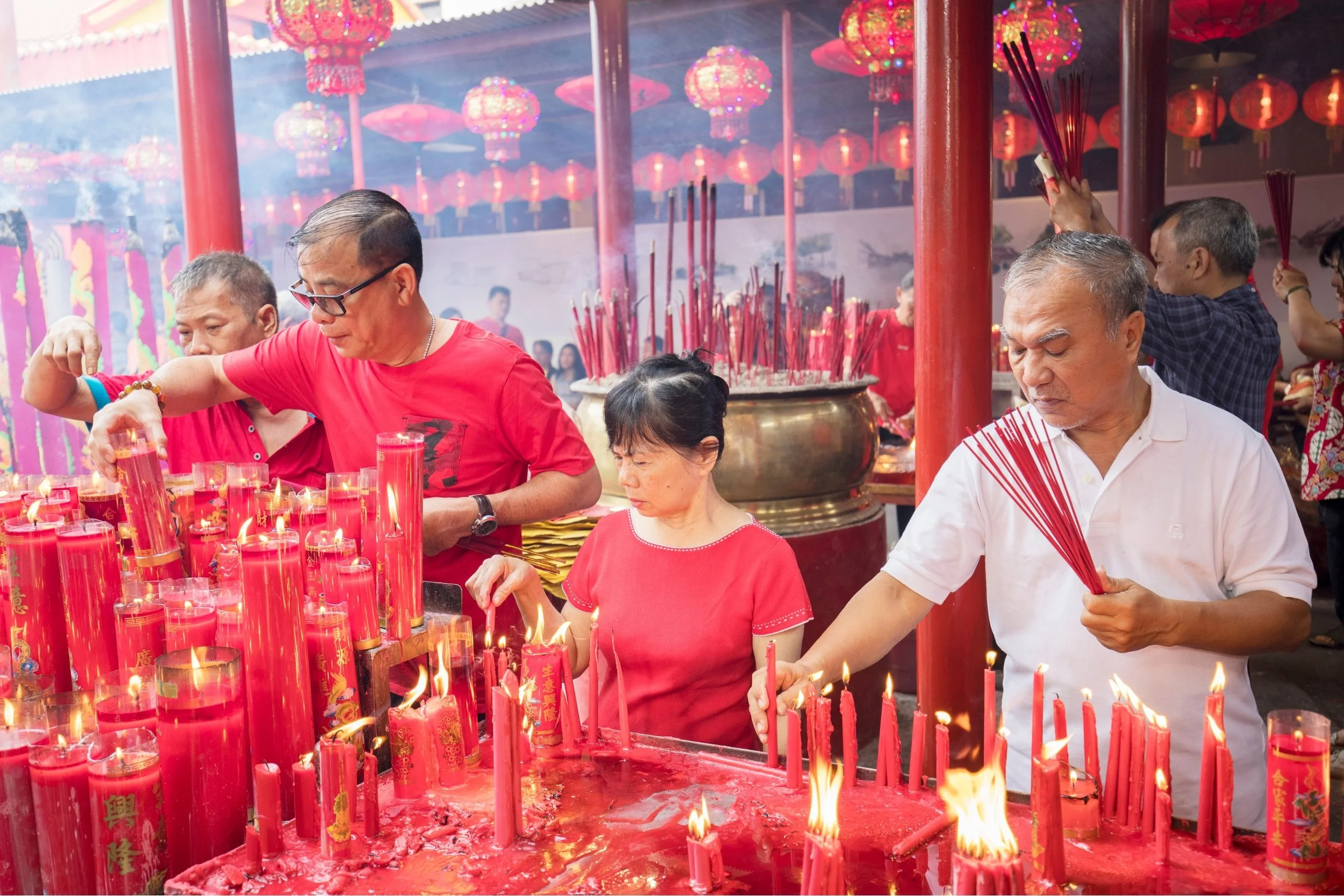
Offering incense and bowing at the altar
Giving condolence donations (pek kim or bai jin)
Presenting cloth to monks as a gesture of gratitude
Some family members walking with small wooden sticks, symbolising shared support in grief
An open casket viewing is common, especially on the final day.
The Buddhist Funeral Ceremony
Role of Monks
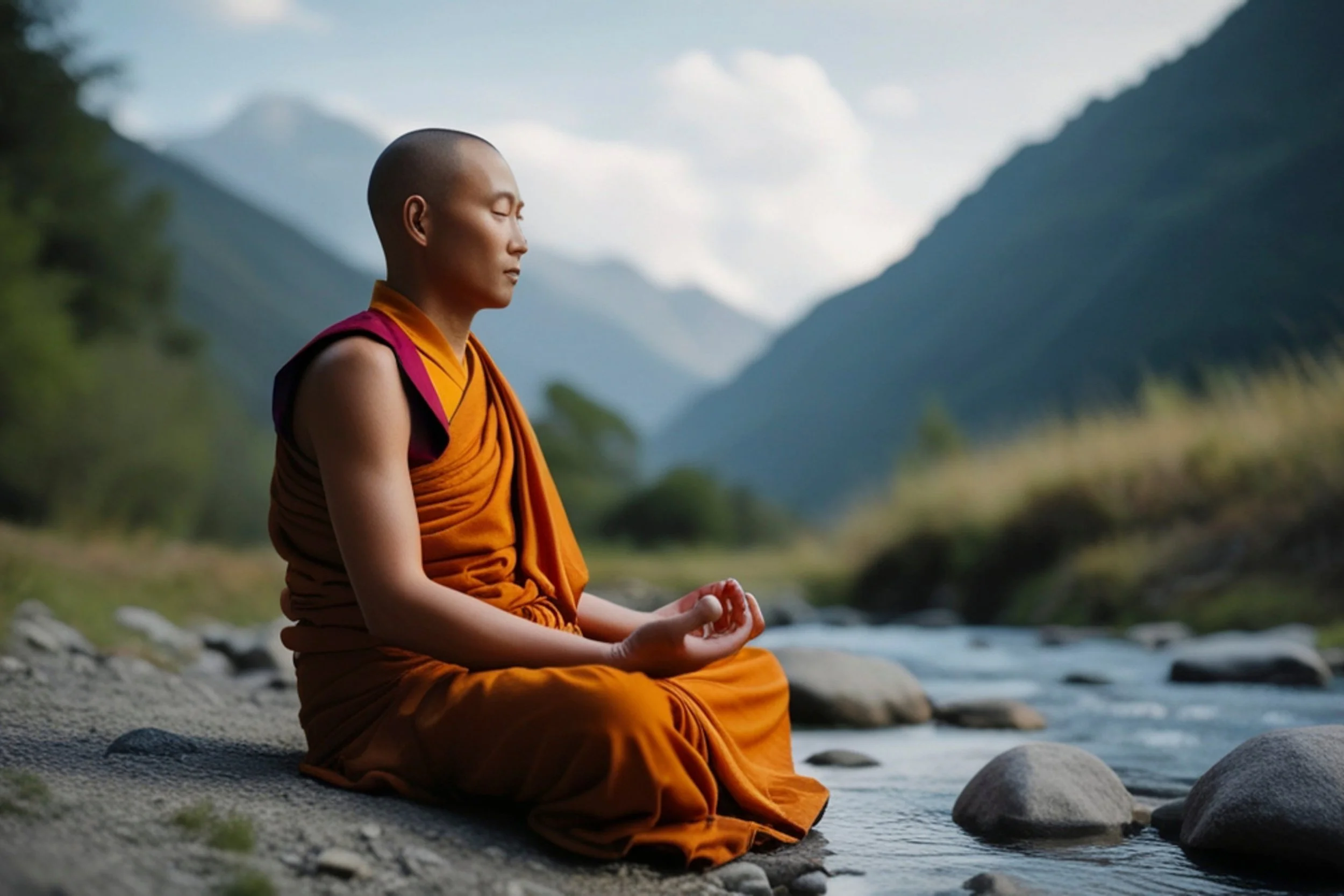
Monks lead the funeral rites, chanting sutras such as the Heart Sutra, offering blessings, and sometimes giving short Dharma talks on impermanence and compassion.
Rituals During the Ceremony
Typical rituals include:
Chanting and prayers
Lighting incense and candles
Offering food and symbolic items
Pouring water into an overflowing cup (transference of merit)
Ringing bells or gongs
The atmosphere is calm and reflective rather than dramatic.
Cremation or Burial?
Why Cremation Is Common in Singapore?
Cremation is the preferred option for most Buddhists, as it reflects impermanence and the idea that the body is only a temporary vessel. In Singapore, cremation is also the most practical and widely practised choice. However, burial is still acceptable, depending on family preference or religious tradition.
Final Procession
After the ceremony:
The casket is sealed
A procession forms
Family members may carry the portrait or banners
Casket transported via buddhist funeral hearse
Final chanting takes place at the crematorium or burial site
This moment marks the physical farewell.
Handling of Ashes After Cremation
Common options in Singapore include:
Columbarium niches (Mandai, Choa Chu Kang)
Inland ash scattering at the Garden of Peace
Sea burial using biodegradable urns
All options emphasise dignity, simplicity, and harmony with nature.
Post-Funeral Rituals and Mourning Period
The 49-Day Mourning Period
The mourning period is traditionally 49 days, reflecting the belief that rebirth occurs within this time. Memorial services are commonly held on:
3rd day
7th day
49th day
100th day
These services include chanting, offerings, and merit dedication.
Ongoing Remembrance
Many families continue ancestor worship:
At home altars
At temples
During festivals like Qing Ming and Hungry Ghost Festival
Merit-Making and Compassion
Transference of Merit
Merit-making may include:
Feeding monks (dāna)
Donations to temples or charities
Sponsoring prayers or services
Merit is dedicated to the deceased, reinforcing the belief in interconnectedness between the living and the dead.
Compassion as a Core Value
Compassion (karuṇā) shapes every aspect of Buddhist funerals, from gentle body preparation to emotional support for grieving family members.
Buddhist Funeral Etiquette for Attendees
What to Wear
Family members usually wear white
Guests should wear black, white, or muted colours
Avoid bright colours, jewellery, or red items
Behaviour and Conduct
Bow respectfully at the altar
Offer incense if appropriate
Keep voices low and phones silent
Follow monks’ cues for sitting or standing
Participation in chanting is welcomed but not compulsory.
Modern Buddhist Funerals in Singapore
Eco-Friendly Practices
Increasingly popular options include:
Biodegradable urns
Sea burials
Environmentally conscious cremation choices
Technology and Convenience
Modern funerals may include:
Live-streaming for overseas relatives
Digital photo displays
Online condolence and donation platforms
Legal and Practical Matters
Death must be registered within 24 hours
Cremation and burial bookings are handled via NEA
Financial assistance may be available for eligible families
Working with a Funeral Director in Singapore
An experienced funeral director can:
Coordinate monks and rituals
Manage logistics and legal requirements
Respect dialect, sect, and budget preferences
Provide emotional guidance during planning
Clear communication ensures the funeral aligns with both tradition and family wishes.
Common Misconceptions About Buddhist Funerals in Singapore
Not all Buddhists are cremated
Funerals are not always solemn only, some are calm and celebratory
Merit-making is not superstition, but a spiritual practice rooted in compassion
Final Thoughts
Buddhist funeral rites in Singapore are thoughtful, compassionate ceremonies that reflect deep spiritual beliefs about life, death, and rebirth. They provide guidance for the deceased and comfort for the living, reminding everyone of impermanence, kindness, and interconnectedness.
By understanding these customs, families and attendees can honour the departed with respect, clarity, and peace, preserving tradition while embracing modern realities.
If you have any questions, feel free to contact us.
Alternatively, you can also check out our “Ultimate Guide to Buddhist Funeral Services in Singapore”.